
Electronic literature refers to writing that depends on computers and digital networks for its creation and reading. It takes shape in forms that change with the tools available, from simple text files to more layered programs. Writers have used these tools to build pieces where the words do not stay fixed on a single page. Instead the text can shift, branch, or respond to what a reader does.
Basic forms that appear often
Hypertext stands as one common structure. In a hypertext piece the reader meets links that connect one passage to another. Clicking a link moves the text forward along a chosen path. Some links return to earlier sections while others open entirely new sequences. The same starting point can therefore lead to different endings depending on the order of choices.
Generative text follows a different pattern. Here the program applies rules to produce new sentences or paragraphs each time the piece runs. The writer sets up the rules and supplies the base words or phrases. The machine then combines them according to those rules. One run might yield a description of a room filled with ordinary objects. The next run might rearrange the same objects into an unexpected scene. The output stays within the limits the writer defined yet never repeats exactly.
A short list of other structures sometimes appears alongside these two. Some pieces combine images and moving text that react to mouse movement. Others ask the reader to type short phrases that the program then weaves into the ongoing story.
How readers take part
Interaction often begins with simple actions such as selecting a link or pressing a key. In one kind of work the reader decides which character to follow through a series of events. Each decision alters what appears next and can close off some later options. The experience feels less like turning pages in order and more like walking through a building with many doors.
Another sort of interaction lets the reader supply words that the program accepts and rearranges. A single sentence typed by the reader might change the tone of following passages or introduce new objects into a description. The writer prepares the framework so that almost any input produces readable text. The reader sees immediate effects without needing to learn a programming language.
These choices create non-linear sequences. A person can return to the same starting screen several times and still encounter different material. The order of reading matters more than in a printed book because later sections depend on what came before.
Keeping older works available
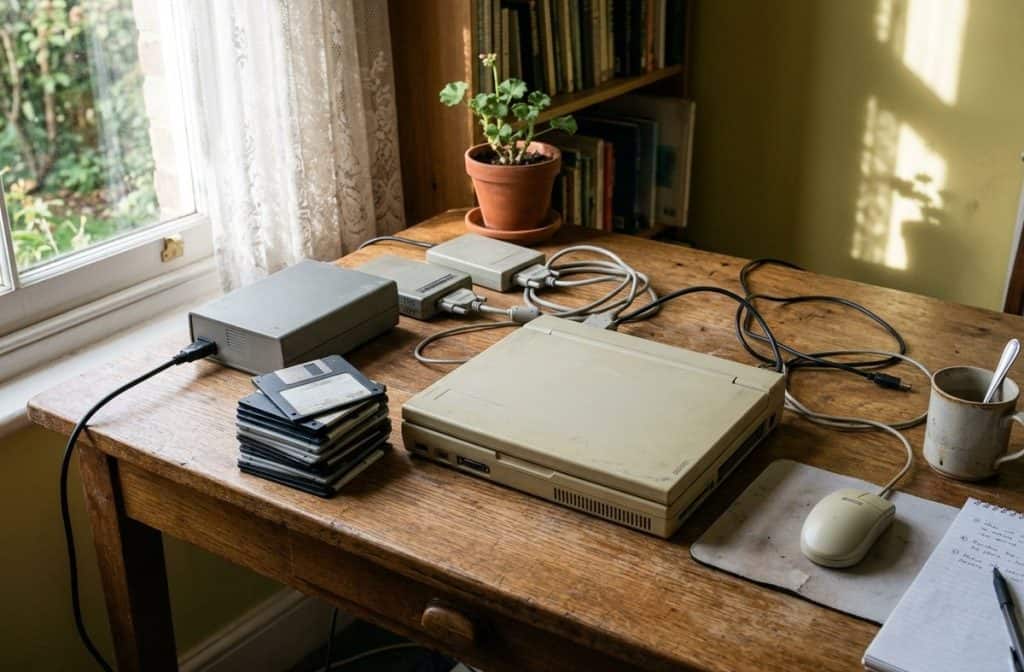
Many early pieces were built for operating systems or browsers that no longer exist in common use. A file written twenty years ago may open only on a machine that still runs the original software. When that machine fails or the software is no longer supported the work becomes difficult to view.
File formats present another practical problem. Some authors stored text inside custom programs that included their own display routines. Without the original program the text alone may lack the intended spacing or timing. Archivists sometimes recreate the display on newer systems but the results can differ from the first version in small yet noticeable ways.
Access also depends on where the files reside. Works posted on personal sites can disappear when the site closes or the domain changes hands. Copies saved on disks or drives may sit unread because no one knows they exist. Readers who want to study these pieces often need to locate both the files and a working copy of the environment they were made for.
Writers who continue to produce electronic literature sometimes release their work in several formats at once. They may provide a version that runs in current browsers along with a plain text file that can be read without special software. This approach reduces the chance that the piece will become unreadable when one platform falls out of use.
Leave a Reply