The way we maintain our homes has transformed dramatically over the past two decades. What once required phone calls, paper invoices, and waiting days for service appointments has evolved into a streamlined digital experience. This shift is particularly evident in essential home services like plumbing, where technology has revolutionized everything from diagnostics to scheduling. Castle Rock, Colorado, with its blend of historic neighborhoods and modern developments, serves as an ideal case study for understanding how the digital age has reshaped home maintenance expectations and service delivery.
The Evolution of Service Accessibility
Gone are the days when finding a qualified plumber meant flipping through yellow pages or relying solely on word-of-mouth recommendations. Today’s homeowners have instant access to service providers through multiple digital channels. Online reviews, website portfolios, and social media presence allow residents to research companies thoroughly before making contact. This transparency has elevated service standards across the industry, as businesses must now maintain consistent quality to preserve their digital reputation.
The booking process itself has undergone a complete transformation. Many plumbing companies now offer online scheduling systems that display real-time availability, allowing homeowners to select appointment windows that fit their schedules without playing phone tag. Automated confirmation messages, reminder texts, and technician tracking features have eliminated much of the uncertainty that once accompanied service calls.
Digital Diagnostic Tools in Modern Plumbing
The technology that plumbers bring to job sites has advanced considerably. Video pipe inspection cameras allow technicians to examine the interior of drain lines and sewer pipes without excavation, identifying problems with precision that was impossible just a generation ago. These cameras transmit real-time footage to monitors, enabling plumbers to show homeowners exactly what’s happening inside their plumbing systems.
Smart Detection Equipment
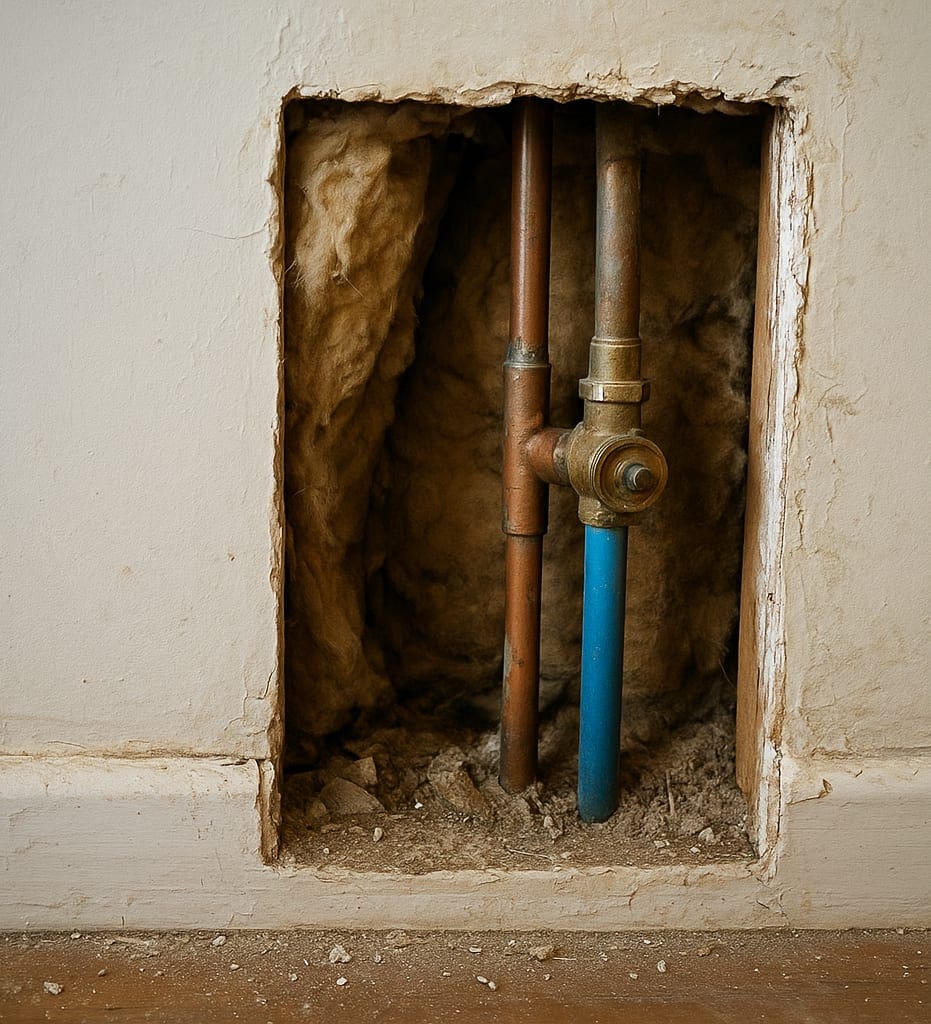
Thermal imaging cameras can detect hidden leaks behind walls or under floors by identifying temperature variations caused by water intrusion. This non-invasive diagnostic approach saves homeowners from unnecessary demolition and reduces the overall cost of repairs. Acoustic leak detection devices use sound wave technology to pinpoint the exact location of underground leaks, even in concrete slab foundations common in many Castle Rock homes.
Moisture meters provide precise readings of water content in building materials, helping determine the extent of water damage and whether materials need replacement or can be dried and salvaged. These digital tools transform plumbing diagnostics from guesswork into an exact science.
The Integration of Smart Home Technology
Castle Rock homeowners increasingly incorporate smart plumbing fixtures and monitoring systems into their homes. These technologies connect to home WiFi networks and provide real-time data about water usage, system performance, and potential problems. When integrated properly by the Castle Rock Plumber, these systems can prevent catastrophic water damage and reduce utility costs.
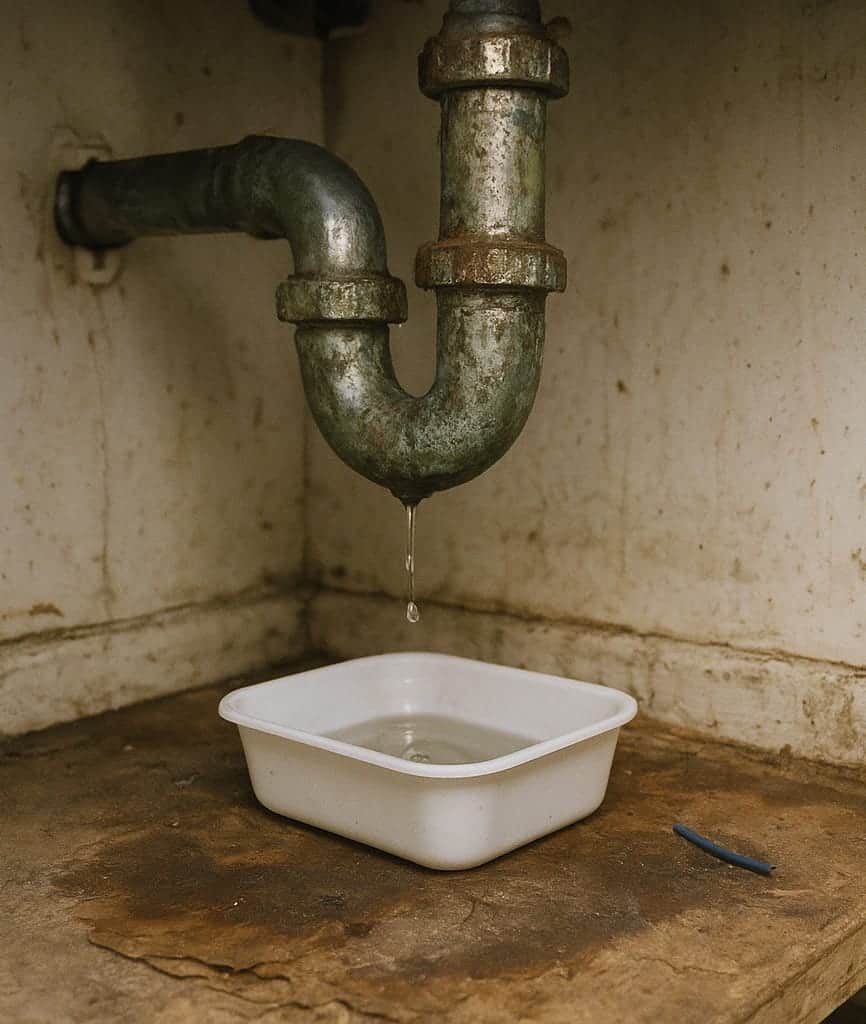
Smart water leak detectors can be placed near water heaters, under sinks, behind washing machines, and in other vulnerable locations. When these sensors detect moisture, they immediately send alerts to the homeowner’s smartphone, enabling rapid response even when no one is home. Some advanced systems can automatically shut off the main water supply when a leak is detected, preventing thousands of dollars in potential damage.
Intelligent Water Management
Whole-home water monitoring systems track flow rates throughout the plumbing system, learning typical usage patterns and identifying anomalies that might indicate leaks or running toilets. These systems can detect even small leaks that might otherwise go unnoticed for months, wasting water and increasing utility bills. The data these systems collect helps homeowners understand their water consumption patterns and identify opportunities for conservation.
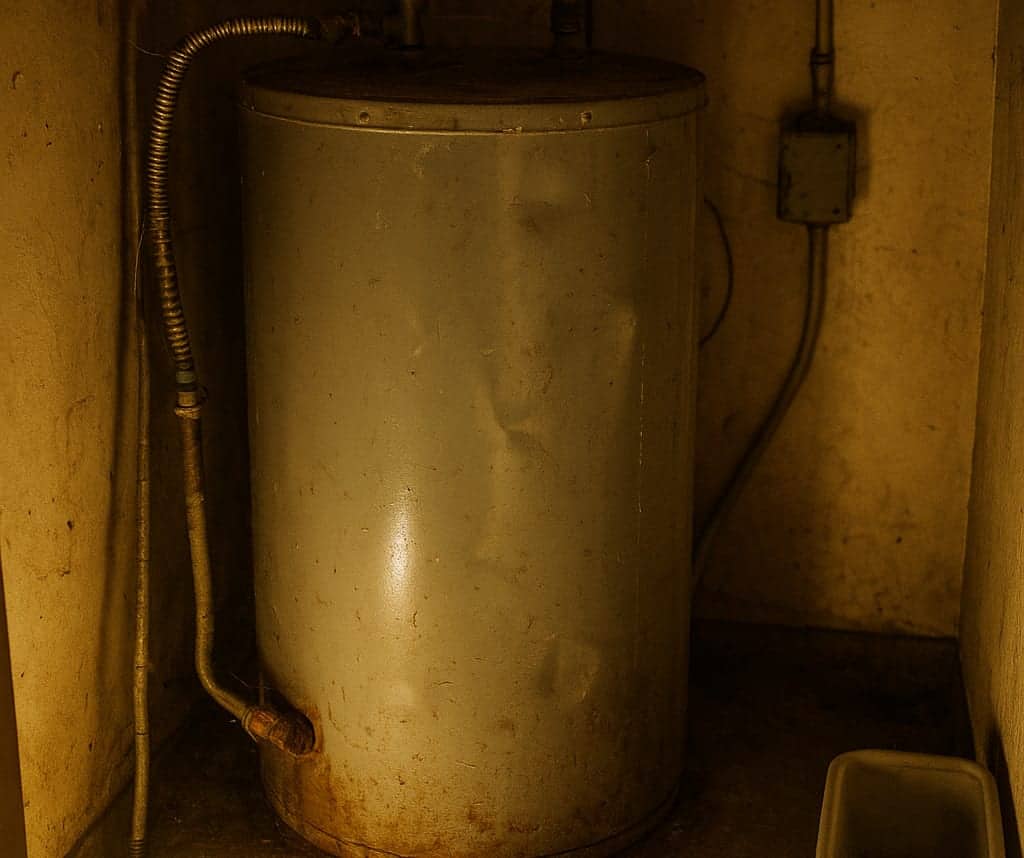
Smart water heaters allow remote temperature adjustment and provide usage data that helps optimize energy efficiency. Some models can be programmed to heat water during off-peak electricity hours, reducing operating costs. Diagnostic alerts notify homeowners of maintenance needs before minor issues escalate into system failures.
Digital Documentation and Transparency
Modern plumbing companies leverage digital tools to provide unprecedented transparency throughout the service process. Technicians use tablets or smartphones to document conditions before and after repairs, creating visual records that protect both the service provider and the homeowner. This documentation proves particularly valuable for warranty claims and insurance purposes.
Digital estimates and invoices eliminate paperwork and provide detailed breakdowns of parts and labor costs. Many companies now email or text itemized invoices immediately upon job completion, with links to secure payment portals. This digital paper trail makes record-keeping simple for homeowners and simplifies tax documentation for rental property owners.
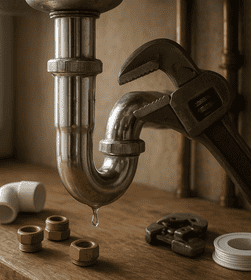
Photo and Video Evidence
When plumbers discover unexpected issues during a service call, they can instantly capture photos or videos to show homeowners exactly what they’re seeing. This visual evidence helps homeowners make informed decisions about necessary repairs without feeling pressured. For insurance claims related to water damage or failed plumbing components, this documentation provides crucial evidence supporting the claim.
Online Education and Preventive Maintenance
The digital age has democratized access to plumbing knowledge. Reputable plumbing companies maintain blogs, video libraries, and social media channels that educate homeowners about system maintenance, warning signs of problems, and when to call for professional help. This information empowers Castle Rock residents to take better care of their plumbing systems and avoid emergency situations.
Video tutorials demonstrate simple maintenance tasks like cleaning aerators, replacing toilet flappers, or resetting garbage disposals. While these resources don’t replace professional expertise, they help homeowners handle minor issues independently and understand what plumbers are doing during service calls.
The Environmental Impact of Digital Efficiency
Digital tools contribute to more environmentally responsible plumbing practices. Precise diagnostics reduce unnecessary parts replacement and minimize exploratory demolition. Accurate leak detection prevents water waste, conserving a precious resource that’s particularly important in Colorado’s semi-arid climate.
Digital scheduling optimization allows service companies to route technicians more efficiently, reducing fuel consumption and vehicle emissions. Electronic documentation eliminates paper waste from invoices, estimates, and service records. These seemingly small changes accumulate into significant environmental benefits across thousands of service calls annually.
Customer Communication in the Digital Era
Communication between plumbing companies and their customers has become more immediate and convenient. Text message updates keep homeowners informed about technician arrival times, reducing the need to wait at home for hours. Follow-up surveys delivered via email or text allow companies to gather feedback and continuously improve service quality.
Many plumbing businesses now maintain customer portals where homeowners can access their complete service history, view past invoices, schedule maintenance appointments, and request emergency service. This centralized information management simplifies property maintenance for homeowners and provides valuable data for real estate transactions.
Challenges and Considerations
Despite the many advantages of digital integration in plumbing services, some challenges remain. Not all homeowners are equally comfortable with technology, and companies must maintain traditional communication channels for those who prefer phone calls to apps. Data security concerns require plumbing companies to implement robust cybersecurity measures to protect customer information.
The initial cost of smart plumbing technology can be prohibitive for some homeowners, though these systems typically pay for themselves through water savings and damage prevention. Professional installation is essential for proper integration, as DIY attempts can void warranties or create system vulnerabilities.
Where Smart Home Plumbing Is Headed
Emerging technologies promise to further transform residential plumbing. Artificial intelligence algorithms will predict system failures before they occur based on usage patterns and equipment age. Augmented reality tools will allow technicians to overlay digital information onto physical systems, improving diagnostic accuracy and training efficiency.
3D printing technology may eventually enable on-site fabrication of custom parts, reducing wait times for repairs. Advanced water treatment systems will become more affordable and accessible, improving water quality throughout homes. As Castle Rock continues growing and evolving, these technologies will play an increasingly important role in maintaining the community’s infrastructure.
The digital transformation of plumbing services represents more than just technological advancement—it reflects a fundamental shift in how homeowners interact with essential services. By combining traditional craftsmanship with modern tools, today’s plumbing professionals deliver faster, more accurate, and more transparent service than ever before. For Castle Rock residents, this evolution means greater convenience, improved system reliability, and better value for their home maintenance investments.